
Problem Solving
Signs Your Ductwork Is Leaking Conditioned Air
By John Gach, owner of Vantage Heating and Cooling · Published · Updated
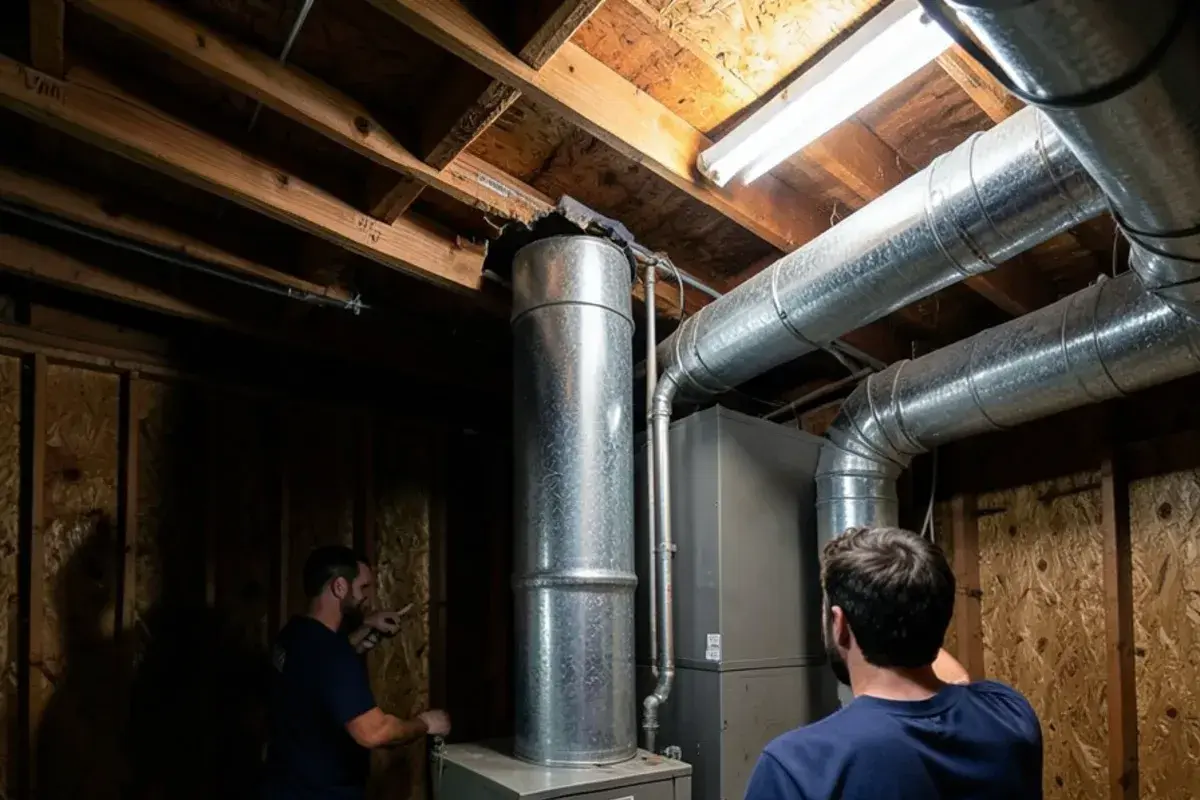
Common signs of leaky ducts are rooms that never match the thermostat, high energy bills, dusty air, whistling vents and a furnace or AC that runs a long time without catching up. Any one of them can have another cause. Two or three together usually point to ducts.
ENERGY STAR says that in a typical house about 20 to 30 percent of the air that moves through the duct system is lost to leaks, holes and poorly connected ducts. That is a large share of what you pay to heat and cool.
What are the signs of leaky ducts?
Look for these, starting with the ones you can see or feel.
- Uneven rooms. One bedroom is always cold in winter or warm in summer while the thermostat room is fine.
- High bills with no change in use. The system works harder to make up for lost air.
- Long run times. The furnace or AC cycles for a long time and the house is still behind.
- Dust around registers. Return leaks pull dusty air from basements, attics and wall cavities into the system.
- Whistling or rattling. Air escaping a gap makes noise, and loose sections shake.
- Weak airflow at one register. A disconnected run leaves a room with a trickle.
- A cold basement ceiling or hot attic. If ducts are warm to the touch in a cold space, the heat is escaping before it reaches you.
- Stuffy or musty air. Return ducts that pull from a wet crawl space or basement carry that smell upstairs.
Where do ducts usually leak?
The weak points are the same in most houses.
| Location | What goes wrong |
|---|---|
| Joints and seams | Old tape and sealant dry out and crack |
| Boots at floor and ceiling registers | The duct pulls away from the opening |
| Flexible duct in attics | The duct slips off its collar or is crushed |
| The furnace plenum and return | Gaps where the ducts meet the cabinet |
| Wall cavities and floor joist returns | Unsealed cavities act as ducts |
ENERGY STAR points to attics, crawl spaces, unfinished basements and garages as places to look. In older houses, a common find is a return built from the framing itself, such as a joist bay or wall cavity used as a duct. These leak badly and pull in basement air.
ENERGY STAR names register and vent connections where they meet floors, walls and ceilings as common leak spots, and it flags tangled or kinked flexible duct as a sign of poor performance. A kink does not leak, but it chokes the airflow in the same way, so the room at the end of it behaves like a leaky one.
How can you check a few ducts yourself?
You can learn a lot with a flashlight and ten minutes.
- Walk the basement and follow the ducts from the furnace. Look for gaps at joints, loose boots and sagging runs.
- With the fan running, run a hand along seams and feel for moving air.
- Hold a lit incense stick near a joint and watch whether the smoke bends. Keep it away from dust and insulation.
- Check that registers are open and the returns are not blocked by furniture.
- Look for old cloth tape that has gone brittle or fallen off.
Do not open the furnace cabinet or touch the flue. If you see black sooting, rust streaks or a joint near the flue pipe, call us.
What does repair look like?
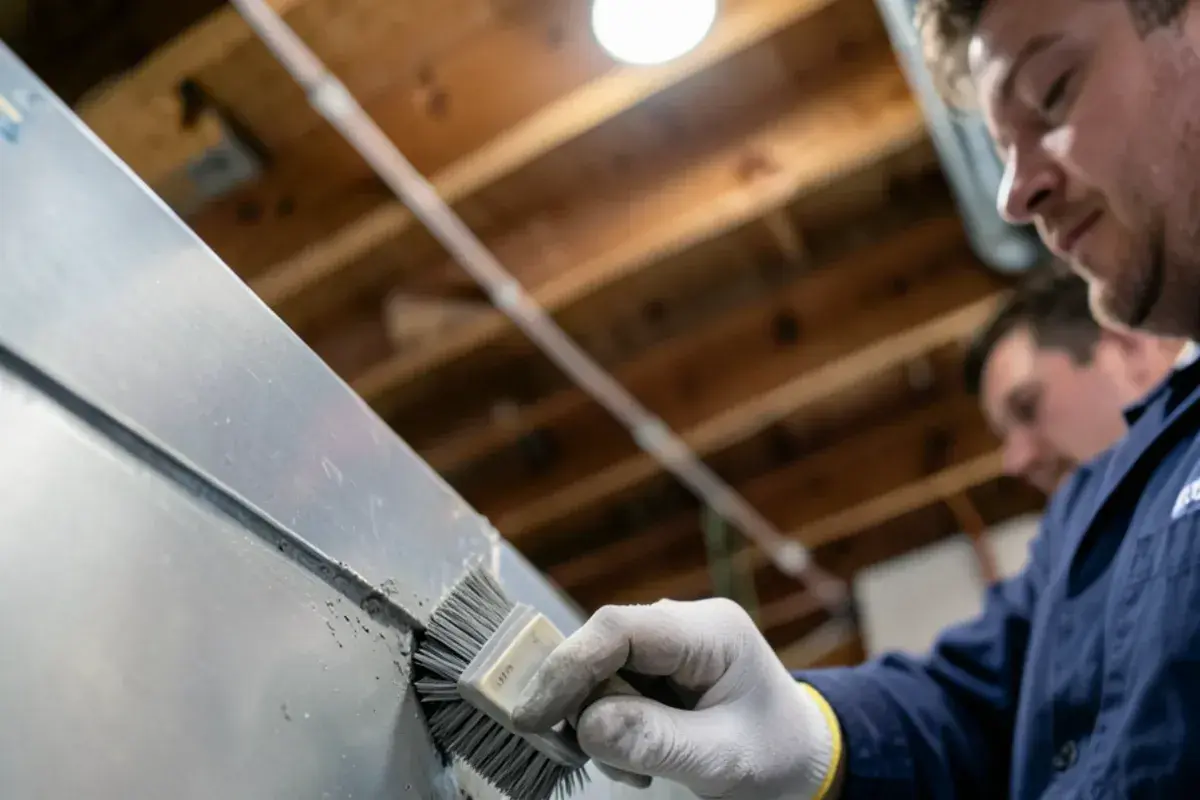
Repair starts with finding the leaks, not guessing. We look at the full system, then seal the joints and boots with mastic or metal tape, reconnect loose runs and add support. Where a run is crushed or undersized, we replace that section. Our duct repair page covers the process.
The size of the gap decides the method. The Department of Energy's mastic job aid for weatherization crews sorts it by size:
| Gap size | Method |
|---|---|
| Under 1/4 inch (seams, joints, cracks) | Fiberglass mesh tape pressed over the gap, then mastic over the tape |
| 1/4 to 3/4 inch (small holes) | A temporary backer to hold the mastic, then mesh, then mastic extending at least 1 inch past the tape |
| Over 3/4 inch (large holes) | A cut patch fastened over the hole, then mastic and mesh over the edges |
ENERGY STAR is blunt about the alternative. It says to seal with mastic or metal tape and never to use duct tape, which is not long-lasting.
The Department of Energy says duct sealing should be tested by a qualified professional to confirm combustion safety and proper airflow. That matters most when a gas furnace or boiler sits near the return. A tighter system changes the air pressure in the basement, and that can affect how appliances draw combustion air or vent.
Should you seal the ducts, insulate them or replace them?
It depends on what is wrong, and each answer has a cost.
- Seal when the metal is sound and the leaks are at joints, boots and plenums. This is the usual answer and the cheapest.
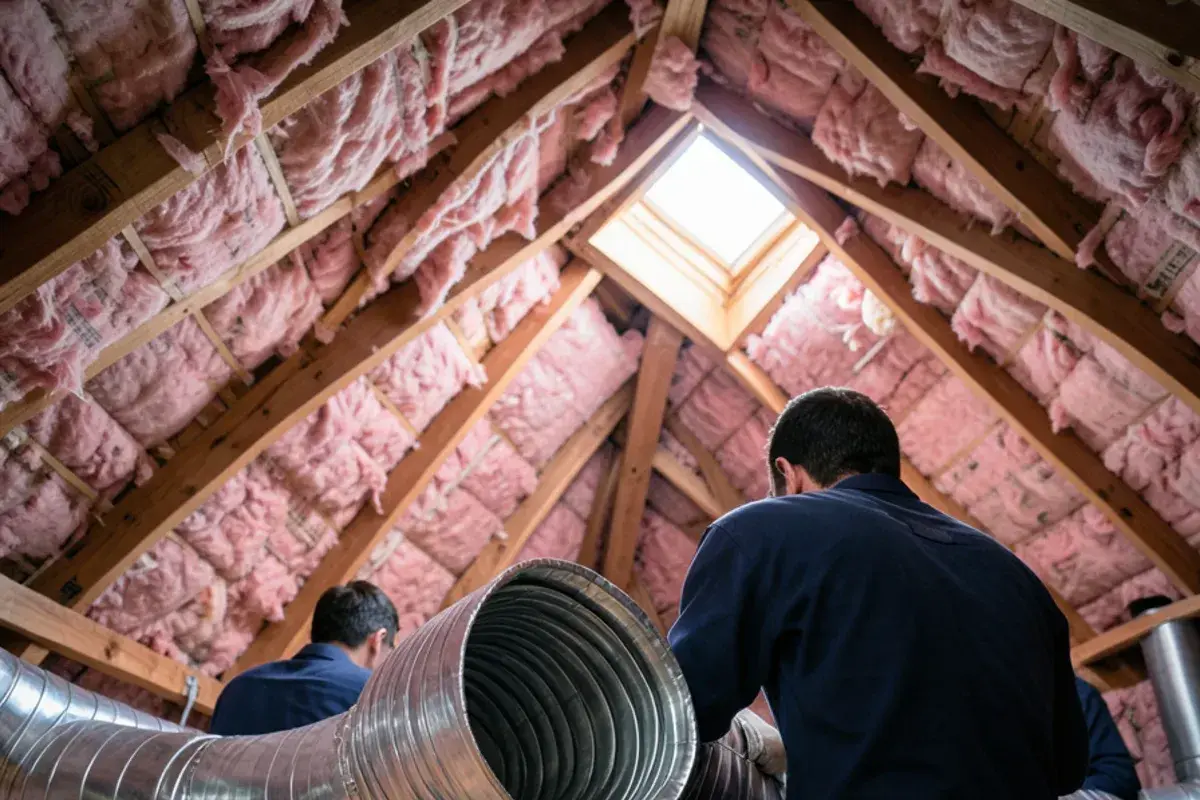
- Insulate when ducts run through cold or hot spaces. ENERGY STAR recommends insulating accessible ducts in attics, crawl spaces, unfinished basements and garages. Many Buffalo houses have an unfinished basement full of ducts, so this applies often. Insulate after sealing, never instead of it.
- Replace a section when a run is crushed, rusted through, kinked beyond fixing or too small for the room it serves.
- Replace the system only when the layout itself is the problem, for example a long trunk with no returns. We say so up front, and we do not recommend it as a first step.
One more caution. Sealing a tight house changes pressure in the basement, which can affect how a gas furnace or water heater draws air. That is why the Department of Energy asks for testing. Ask whoever seals your ducts whether they check combustion safety afterward.
How we look at leaky ducts
We begin with what you feel at home. Which rooms are off, when does it happen, and what does the system do? Then we trace the ducts from the furnace out. Often the fix is a few sealed joints and a reconnected boot, not a rebuild.
We tell you what we find and show you the problem, and we give a clear quote before work starts. If a duct system is too far gone, we say so. If the ducts are fine and the real issue is the furnace or the house, we say that as well. A tune-up that includes a look at the airflow is part of good furnace maintenance.
Is it a duct leak or a dirty duct?
They are different problems. A leak wastes air. A dirty duct holds dust or debris. Cleaning does not fix a leak, and sealing does not clean anything. We explain when cleaning makes sense in is air duct cleaning worth it, and the air duct cleaning page covers the service itself.
In Amherst, where larger suburban homes often have long duct runs to upper floors and finished basements, leaks tend to show up as hot or cold rooms. Call (321) 666-8870, Monday through Friday, 7:30 AM to 5:00 PM, and tell us what you notice.
Quick answers
Should I insulate my ducts after sealing them?
Yes, if they run through an attic, crawl space, unfinished basement or garage. ENERGY STAR recommends insulating accessible ducts in those spaces. Seal first with mastic or metal tape, because insulation over an open leak still lets air escape. Ducts inside the heated part of the house gain little from insulation, so seal them and leave them be.
Can I fix leaky ducts with duct tape?
Not for long. Standard cloth duct tape dries out and lets go, often within a season. ENERGY STAR recommends mastic sealant or metal tape for sealing duct leaks. Small, easy-to-reach joints are a fair DIY job. Ducts in walls, inside the furnace cabinet or near the flue should be handled by a technician, because sealing can affect combustion air.
How much conditioned air can leaky ducts lose?
ENERGY STAR says that in a typical house about 20 to 30 percent of the air moving through the duct system is lost to leaks, holes and poor connections. Your house could be better or worse. Ducts in attics, crawl spaces and unfinished basements lose the most, because the air leaks out into spaces you do not heat or cool.