
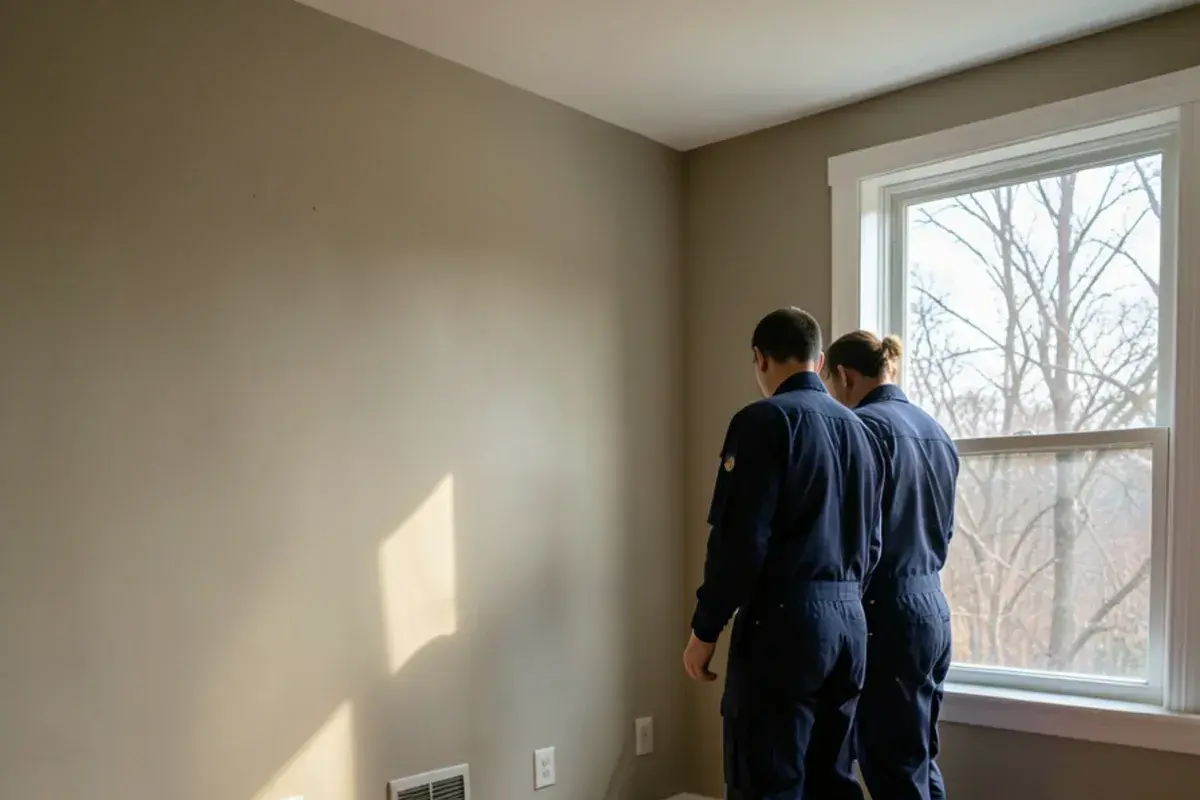
Indoor Air Quality in Buffalo, NY
Cleaner, more comfortable air starts with the ducts, the filter and the moisture level, in that order.
- 4.9★ on Google (57 reviews)
- Locally owned since 2011
- 15 years in Western New York
- No high-pressure sales
Indoor air quality in Buffalo is mostly decided by four things: how air travels through your ducts, what filters it, how much moisture it carries, and what controls the system. We work on each of them, and we start by telling you which one your house actually needs.
The EPA says the most effective ways to improve indoor air are controlling the source of a pollutant and ventilating, and that filtration is a supplement. That order shapes how we advise. Equipment comes up only when it will make a noticeable difference.
What is included with indoor air quality
- A conversation about what you notice: dust, dry skin, odors, smoke, uneven temperatures
- A look at the filter, the filter slot and the return grilles
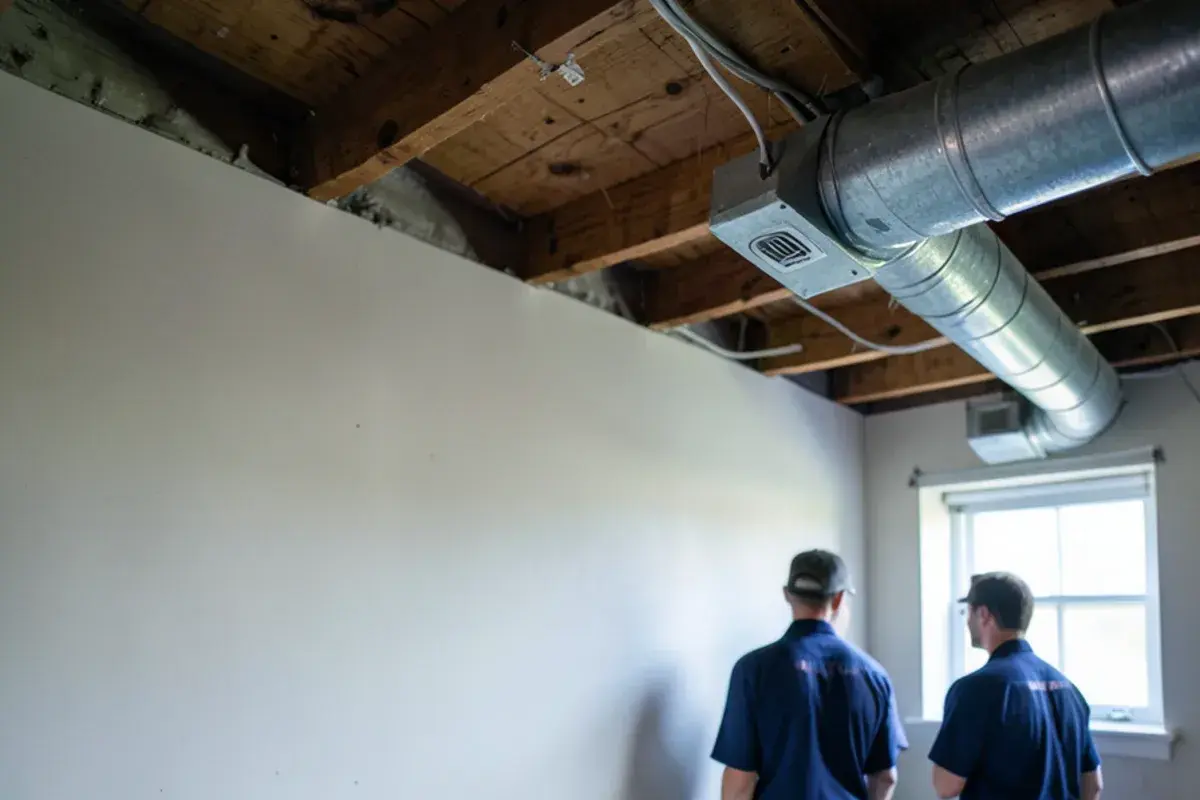
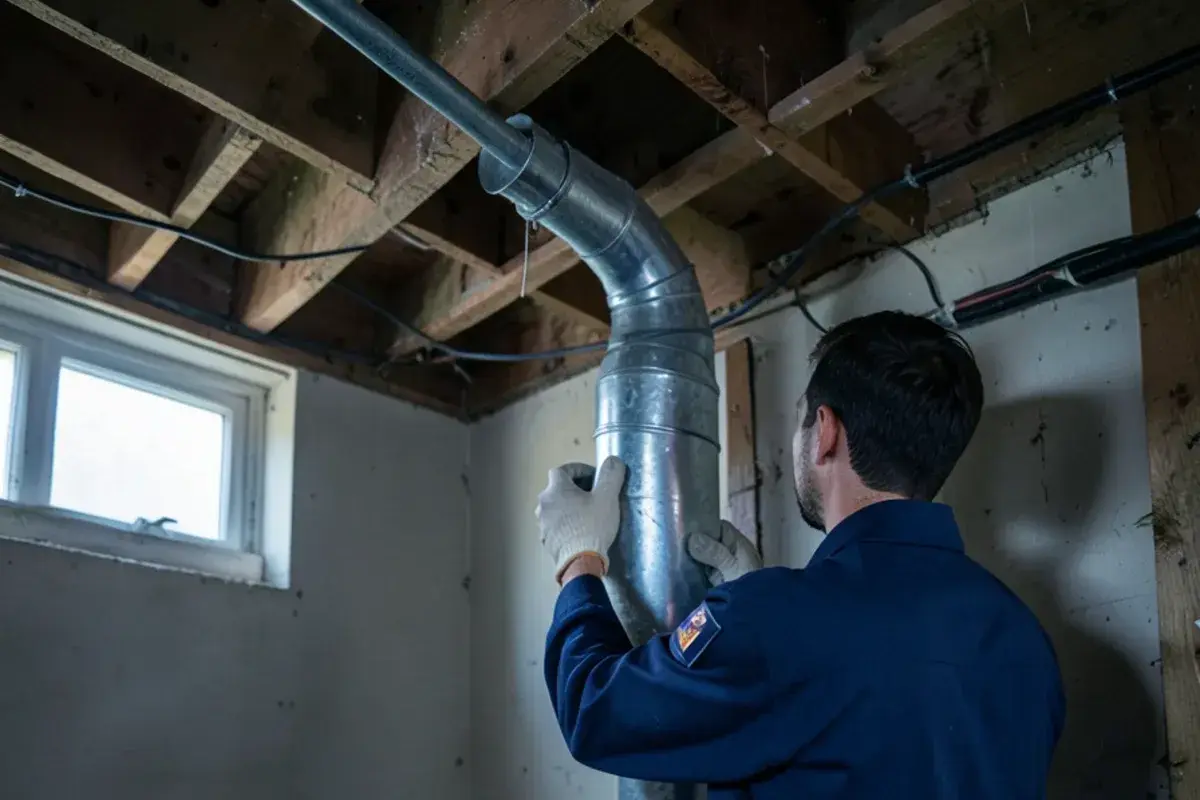
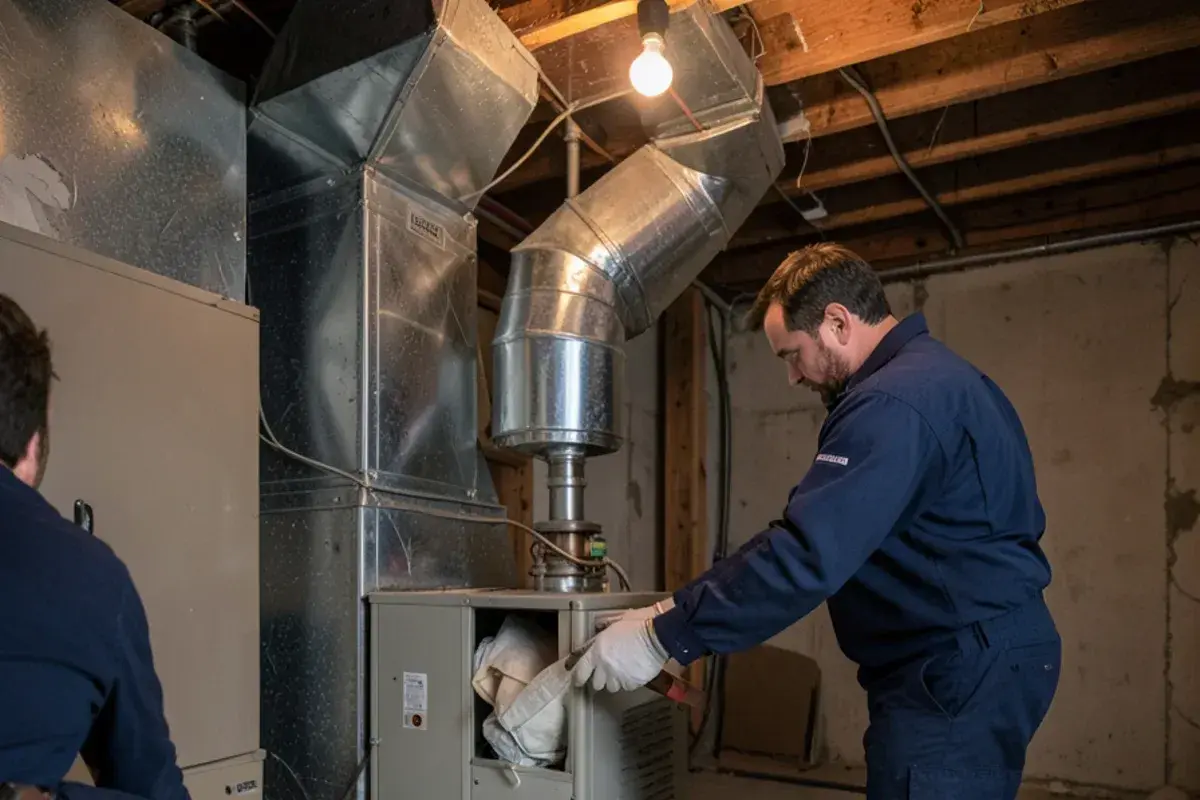
- A check of visible ductwork for disconnected joints, crushed runs and signs of moisture
- A plain recommendation on which service to do first, and which to skip
What affects the air inside a Buffalo home?
Buffalo averages about 6,466 heating degree days a year, according to NOAA 1991-2020 normals, and the heating season runs from roughly mid-September into late May. Windows stay shut for most of that stretch, so whatever the house produces or pulls in stays inside with you.
The furnace dries that trapped air out. Southtowns basements add the opposite problem, with damp air that carries odor up through the returns. Spring brings pollen and cottonwood fluff, and some summers bring wildfire smoke. Older houses make all of it harder, since add-on ducts and undersized returns limit how well air gets filtered.
Which indoor air service fits your problem?
| What you notice | Likely area | Where to read more |
|---|---|---|
| Some rooms never warm up or cool down, or the ducts whistle | Leaks or undersized runs | Duct repair and replacement |
| Dust returns days after cleaning, or a musty smell at the vents | Filter bypass, return leaks, moisture | Air duct cleaning |
| Sneezing in pollen season, smoke odor on hazy days | Filtration | Air purifiers and filtration |
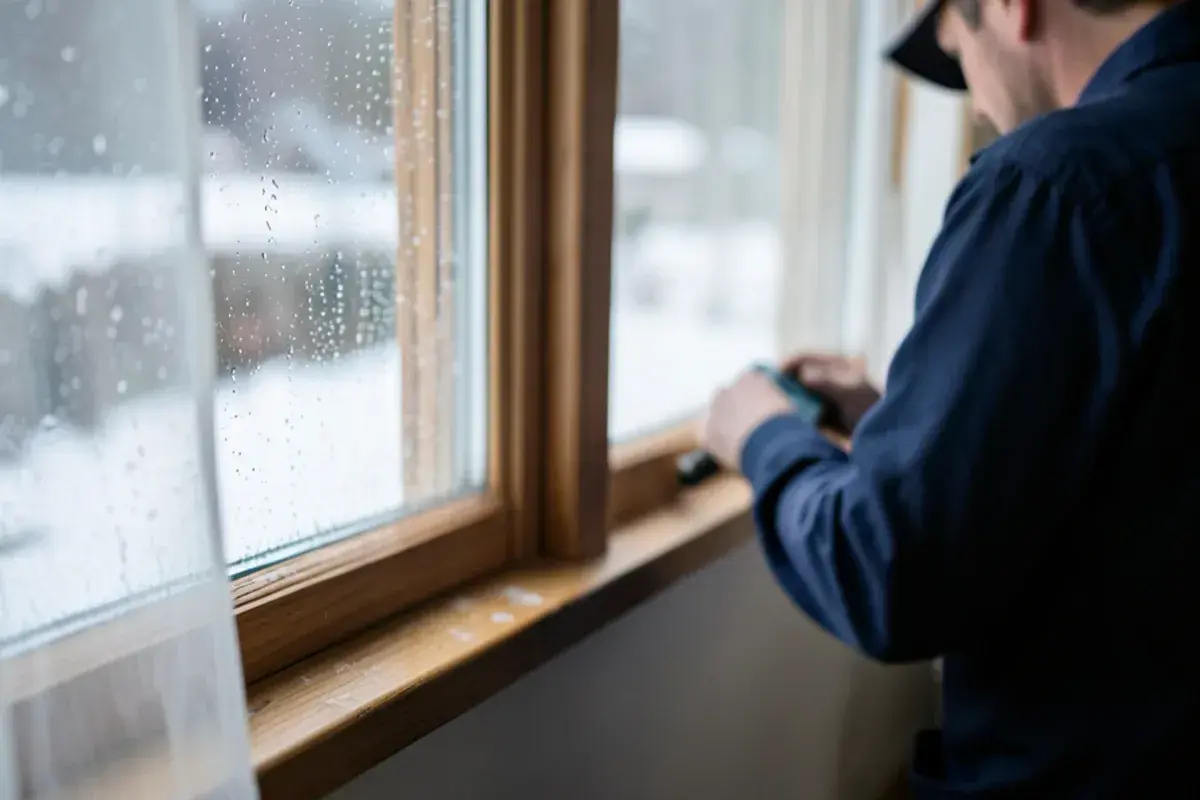
| Static shocks, cracked lips, dry wood floors in January | Low humidity | Whole home humidifiers |
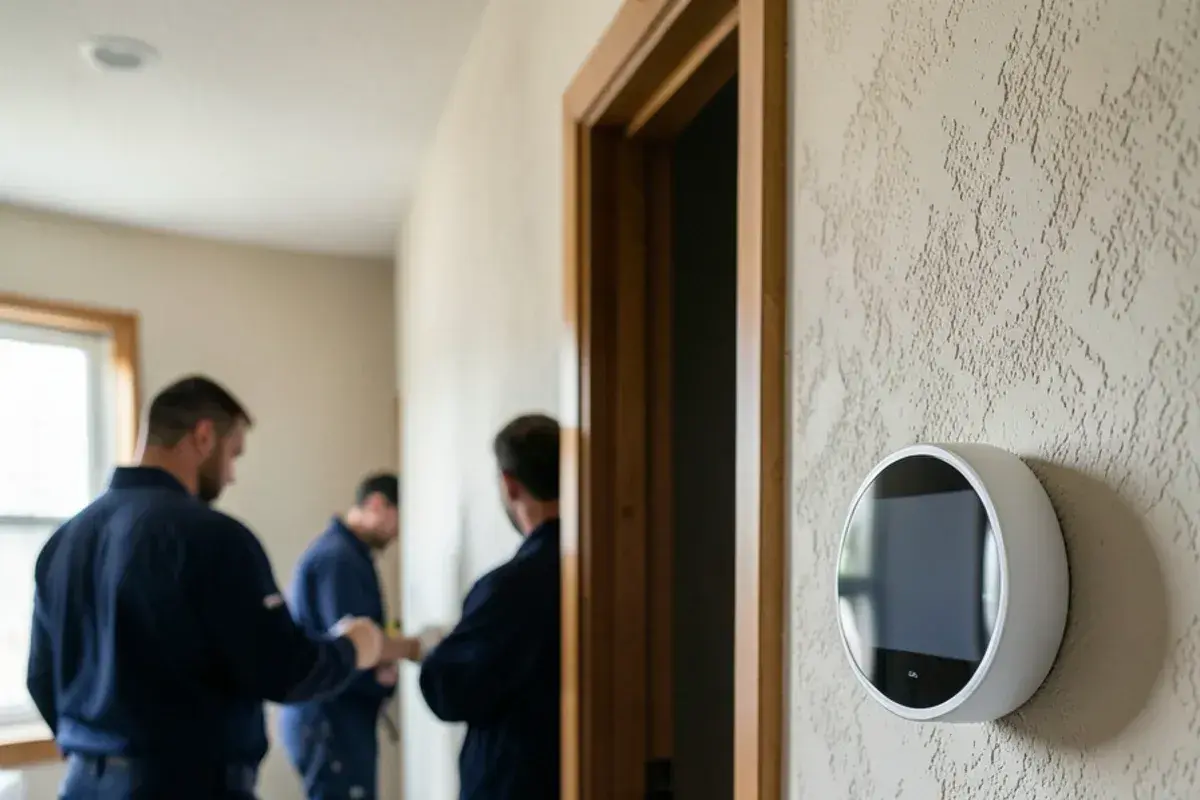
| A system that runs at odd times or cannot be programmed | Controls and wiring | Thermostat installation |
Where should I start if I am not sure?
- Look at your filter. If it is gray and packed, replace it before spending on anything else.
- Check the humidity on a cheap meter. The EPA suggests keeping indoor humidity below 60 percent, ideally between 30 and 50 percent.
- Call us and describe it. We will say honestly whether a visit is worth your time.
“John and his crew were very nice, knowledgeable, and professional. They did a great job on my new furnace, AC unit, and air purifier.”
Why Vantage for indoor air quality
Advice before equipment
Customers tell us we explain what is wrong and what we would do about it. Several say we fixed something others wanted to replace.
Rated 4.9 on Google
The 4.9 comes from 57 Google reviews, counted in October 2026. See them here.
Locally owned since 2011
You talk to John, the owner.
Warranty. Coverage depends on the product and the manufacturer, so we go through what applies to your equipment before you approve any work.
Where we work. We work from Orchard Park and cover the Southtowns and greater Buffalo, including Hamburg, West Seneca and Amherst. Browse every area we serve.
What customers said
“They installed all of the new equipment in roughly two full days, and I have a comfortable home in the summer time for the first time ever.”
“Honest guy, told me what the issues were, replaced my thermostat when the other guy wanted to replace my furnace.”
Indoor Air Quality questions
Does Vantage test indoor air quality?
We do not run lab-style air testing. What we do is practical: check the filter, ducts, returns and humidity, and match what you notice to a fix. If you suspect mold or a specific pollutant, the EPA suggests a qualified expert confirm it, and we will tell you when that is the right next step.
Will a better filter fix my allergies?
It may reduce the particles your system circulates, but we cannot promise symptom relief, and nobody honest can. The EPA lists filtration as a supplement to source control and ventilation. We would look at the filter, the ducts and the humidity together, then recommend the least expensive change that helps.
Why is my house so dry in January?
Cold outdoor air holds very little moisture, and the furnace heats it without adding any. In a Buffalo winter, indoor humidity can fall well under the 30 percent low end the EPA suggests. A meter will confirm it, and a whole-home humidifier is the usual remedy for ducted homes.
Can you help with smoke from distant wildfires?
Yes, within limits. The EPA recommends a MERV 13 furnace filter, or the highest rating your system can handle, and portable HEPA cleaners for single rooms. We check whether your blower and returns can take a denser filter. Ask us before upgrading, because a filter that is too restrictive can starve the system.
More on indoor air quality
Related services
From the blog
Nearby service areas
Talk to the people who do the work
Talk with Vantage about indoor air quality.
- 4.9★ on Google (57 reviews)
- Locally owned since 2011
- 15 years in Western New York
- No high-pressure sales
Vantage Heating and Cooling · Orchard Park, NY · (321) 666-8870 · Mon–Fri 7:30 AM–5:00 PM · Sat–Sun closed